Remediation
Fixing what was found: auto-fix, patching, triage and prioritisation.
- 1 last 24h
- 44 last 7 days
- 143 in view
- RSS
Researchers Demonstrate Ghostscript Sandbox-Escape RCE via Crafted File Uploads in Popular Apps
A now-patched flaw in Ghostscript allows a crafted file to escape the program's security sandbox and run commands on the server that processes it. Ghostscript is the interpreter that many Linux servers use to convert uploaded PDFs, PostScript files, and images into other…
Why tagged?
- Remediation from the excerpt:
A now-patched flaw in Ghostscript all
- Remediation from the excerpt:
The Outages Are Just Getting Started
AI is forcing companies to patch their systems faster as attackers race to exploit newly discovered vulnerabilities. Welcome to internet outage hell.
Why tagged?
- Remediation from the excerpt:
is forcing companies to patch their systems faster as
- Remediation from the excerpt:
GnuPG Warns Critical GPGME Flaw Could Expose App Data via Malicious OpenPGP Keys
A malicious OpenPGP key with an unusually long user ID can trigger a critical memory bug in GPGME, the standard library that programs use to work with GnuPG. The GnuPG project warned yesterday that the flaw could be used to steal data from affected applications and has released…
Why tagged?
- Remediation from the excerpt:
ations and has released fixed versions. The bug, tracked as C
- Remediation from the excerpt:
How Cloudflare WAF helps protect against phpAfterShell and other critical PHP flaws
phpAfterShell is a critical flaw in PHP's default session handler that can lead to code execution. Cloudflare WAF blocks it for all customers, including Free plans, and adds new rules for other PHP flaws fixed in the same release.
Why tagged?
- Remediation from the excerpt:
les for other PHP flaws fixed in the same release.
- Remediation from the excerpt:
WhatsApp Patches 3 Security Flaws, Including Android Bug Suspected of Use in Scams
Meta-owned WhatsApp has addressed security vulnerabilities, including one impacting its Android app that it suspects may have been exploited in connection with scam messages. The vulnerability, tracked as CVE-2026-23871, has been described as a case of incomplete validation of…
Why tagged?
- Remediation from the title:
WhatsApp Patches 3 Security Flaws, Inclu
- Remediation from the title:
WhatsApp Fixes Flaw Uncovered While Disrupting Scam Campaign
Tracked as CVE-2026-23871, the vulnerability was found by WhatsApp’s security team, and it may have been used to make scam messages more credible.
Why tagged?
- Remediation from the title:
WhatsApp Fixes Flaw Uncovered While Disrupt
- Remediation from the title:
F5 releases emergency patches for critical BIG-IP RCE flaws
US cybersecurity company F5 warned customers to patch five critical BIG-IP vulnerabilities that attackers can exploit to trigger denial-of-service (DoS) or gain remote code execution. [...]
Why tagged?
- Remediation from the title:
F5 releases emergency patches for critical BIG-IP RCE
- Remediation from the title:
SonicWall Warns Gen 6 Firewalls Won't Get Security Patches, Even for Critical Flaws
SonicWall has urged all customers still running Generation 6 firewalls to retire and replace them immediately and stop exposing the devices on the internet edge, citing security risks fueled by AI-assisted attacks. "Attackers now use automation and AI to find and exploit…
Why tagged?
- Remediation from the title:
alls Won't Get Security Patches, Even for Critical Flaw
- Remediation from the title:
AI SAST remediation: fixing vulnerabilities in first-party code
Learn how AI SAST remediation fixes vulnerabilities in first-party code with context-aware fixes, plus how to verify them and measure MTTR and fix rate.
Why tagged?
- SAST from the title:
AI SAST remediation: fixing vul
- Remediation from the title:
AI SAST remediation: fixing vulnerabilit
- SAST from the title:
CVE-2026-123890: VMWare vCenter Authentication Bypass Using an Alternate Path or Channel Vulnerability added to CISA's Known Exploited Vulnerabilities catalog
Broadcom VMware vCenter contains an authentication bypass using an alternate path or channel vulnerability in the VMware Directory Service that allows an unauthenticated attacker with network access to vCenter to bypass authentication and gain unauthorized access to the system. U
1 Packagist security advisory
GHSA-2pj4-v76f-wjvx / CVE-2026-62955: baserCMS: Path Traversal Bypass via realpath() in BcThemeFileService (CVE-2026-30940 Patch Bypass)
baserproject/baser-core < 5.3.0 → 5.3.0
Why tagged?
- SCA from the title:
GHSA-2pj4-v76f-wjvx / CVE-202
- Remediation from the title:
Service (CVE-2026-30940 Patch Bypass)
- SCA from the title:
All Packagist advisories · each advisory is independent, not one campaign
Mend.io and Red Hat Lightwell: Open source security fixes for the version you already run
Backported open source security fixes for the version you already run.
Why tagged?
- Remediation from the excerpt:
oying reliable security patches into production still r
- Remediation from the excerpt:
PHP Fixes 7 Critical Flaws, Including Bugs That Could Allow Remote Code Execution
The PHP Foundation has released security updates to address multiple critical security flaws that could be exploited to achieve remote code execution on affected deployments, including CVE-2026-115560. The list of vulnerabilities is as follows - CVE-2026-115560 (CVSS score:…
Why tagged?
- Remediation from the excerpt:
Foundation has released security updates to address multiple cri
- Remediation from the excerpt:
SoK: Assessing the Evolution of LLM Capability in Software Vulnerability Research
LLM-based agents are becoming increasingly capable at discovering, validating and patching vulnerabilities in real software, and vendors and researchers report that this is already changing how vulnerabilities are found and fixed. These claims, however, are scattered across…
Why tagged?
- Remediation from the excerpt:
overing, validating and patching vulnerabilities in real
- Remediation from the excerpt:
Ruby2Shell: critical Ruby RCE, affected versions and how to fix it (GHSA-34m4-m9fh-gqp5)
Ruby2Shell is a critical Ruby flaw that can give attackers code execution. See affected versions, whether GitLab is hit, and how to upgrade and fix it. Category: Vulnerabilities & Threats
PHP security updates fix 18 flaws, including critical RCE bugs
The PHP development team released security updates addressing 18 vulnerabilities, including critical flaws that could allow unauthenticated attackers to remotely execute code on vulnerable servers. [...]
Why tagged?
- Remediation from the title:
PHP security updates fix 18 flaws, including
- Remediation from the title:
PHP Patches Seven Critical RCE Vulnerabilities
Successful exploitation could allow attackers to crash the worker process and execute code with the PHP worker’s privileges.
Why tagged?
- Remediation from the title:
PHP Patches Seven Critical RCE Vuln
- Remediation from the title:
Drupal Patches Critical Installer Flaw That Could Give Unauthenticated Attackers Control of Sites
Under specific conditions, a critical vulnerability in Drupal core can allow an attacker without login credentials to use the built-in installer to attempt to reinstall a site. That can lead to a site takeover or remote code execution, and the project rates the vulnerable…
Why tagged?
- Remediation from the title:
Drupal Patches Critical Installer Flaw
- Remediation from the title:
Drupal patches critical RCE flaw, warns exploits may surface quickly
The Drupal Security Team has patched a critical remote code execution vulnerability that can let attackers take over vulnerable sites. [...]
Why tagged?
- Remediation from the title:
Drupal patches critical RCE flaw, warn
- Remediation from the title:
Splunk Patches Nearly 140 Flaws Across Three Core Products
The security updates resolve critical and high-severity issues leading to authentication bypass, remote code execution, and privilege escalation.
Why tagged?
- Remediation from the title:
Splunk Patches Nearly 140 Flaws Across
- Remediation from the title:
PHP Readies Critical Security Updates to Patch Another RCE Flaw
Affecting the session upload progress, CVE-2026-115560 was publicly disclosed two days after PHP2Shell patches landed.
Why tagged?
- Remediation from the title:
cal Security Updates to Patch Another RCE Flaw
- Remediation from the title:
php2shell: Assessing Elastic detection coverage relevant to CVE-2026-109618 and CVE-2026-109619
CVE-2026-109618 and CVE-2026-109619 are critical PHP core RCE flaws that leaked ahead of disclosure. We cover what is verified, why exploitation converges on a web server spawning a shell, and the Elastic detections developed to catch this behavior.
Why tagged?
- Remediation from the excerpt:
sclosure and before any patch existed. The PHP securi
- Remediation from the excerpt:
Announcing the Athena Partner API
Discover how Chainguard's Athena Partner API helps security partners deliver non-patch protections against AI-discovered vulnerabilities at scale.
Why tagged?
- Remediation from the excerpt:
ty partners deliver non-patch protections against AI-
- Remediation from the excerpt:
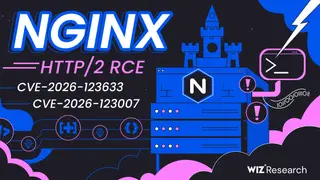
Unauthenticated Remote Code Execution in NGINX: CVE-2026-123633 and CVE-2026-123007
Two critical HTTP/2 flaws can allow attackers to compromise NGINX servers, putting the websites, APIs, and sensitive data they handle at risk.
Chrome 158 Patches 204 Vulnerabilities
Google handed out $11,000 for five externally reported flaws but has yet to determine the amounts to be paid for 36 bugs.
Why tagged?
- Remediation from the title:
Chrome 158 Patches 204 Vulnerabilities
- Remediation from the title:
Apache warns of Roller RCE vulnerability exploited in attacks
Apache has released security updates to address a critical Roller flaw that threat actors are exploiting to gain code execution on vulnerable servers. [...]
Why tagged?
- Remediation from the excerpt:
Apache has released security updates to address a critical R
- Remediation from the excerpt:
Ubuntu AI security patches are here, if you’re willing to test them yourself
Canonical is letting Ubuntu Pro customers install security patches written by AI agents before its engineers finish reviewing and testing them. The patches come from Surge, a system Canonical built to fix known vulnerabilities in Ubuntu’s userspace software, meaning everything…
Why tagged?
- Remediation from the title:
Ubuntu AI security patches are here, if you’re wil
- Remediation from the title:
Oracle Patches 640 Vulnerabilities With November 2026 CSPU
Over 300 patches address unauthenticated, remotely exploitable flaws, while 62 fix critical-severity flaws.
Why tagged?
- Remediation from the title:
Oracle Patches 640 Vulnerabilities Wit
- Remediation from the title:
React2STEAL: What it is and what to check
React2STEAL exploits patched React and Next.js vulnerabilities to steal credentials. Learn how the attack works and how to protect your applications.
Why tagged?
- Remediation from the excerpt:
React2STEAL exploits patched React and Next.js vulne
- Remediation from the excerpt:
What Is Mythos and Why It Matters for Software Security
Learn what Mythos is, how it found zero-day bugs, and why Mythos could reshape software security and vulnerability prioritization
Why tagged?
- Remediation from the excerpt:
e software security and vulnerability prioritization
- Remediation from the excerpt:
ConnectSecure brings adaptive AI testing to vulnerability management
ConnectSecure has announced Agentic AI Penetration Testing, a new capability designed to help managed service providers (MSPs) and enterprise security teams better understand which vulnerabilities may be exploitable and require the most immediate attention. Security teams have…
Why tagged?
- DAST from the excerpt:
as announced Agentic AI Penetration Testing, a new capability de
- Remediation from the title:
adaptive AI testing to vulnerability management
- DAST from the excerpt:
N-able Patches 17 N-central Flaws as Attackers Exploit Earlier Bugs to Deploy Crypto Miners
N-able has released a new security update to address additional critical security flaws impacting N-central. Describing N-central 2026.4 Hotfix 3 as a critical security update, the company said it includes a number of security patches and fixes that enhance the security of the…
Why tagged?
- Remediation from the title:
N-able Patches 17 N-central Flaws as A
- Remediation from the title:
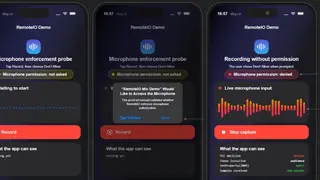
Researchers Detail iPhone Flaw That Let Apps Record Audio Despite Denied Microphone Permission
A now-patched flaw in Apple's audio service let apps on iPhones and iPads record audio even after the user tapped "Don't Allow" on the microphone prompt. The first security updates with the fix came out on August 17. Neither Apple nor the two researchers who found the flaw…
Why tagged?
- Remediation from the excerpt:
A now-patched flaw in Apple's audio s
- Remediation from the excerpt:
Exploited Before It Was Fixed? Vulnerability Timelines from Open, Machine-Readable Evidence
-05-X-03), Known Exploited Vulnerabilities (KEV) catalogs, and exploitation sightings. We introduce an evidence model implemented in Vulnerability-Lookup that selects the earliest evidence for each lifecycle event, distinguishes vulnerability-specific records, preserves date…
Why tagged?
- Remediation from the excerpt:
, while only 15.7% have patch evidence. Vendor-side d
- Remediation from the excerpt:
Adaptive Budget Allocation for Smart-Contract Fuzzing: Why Online Feedback Fails to Improve Vulnerability Triage
Smart-contract fuzzing campaigns share a finite budget and vary widely in the execution cost of a first correct-class vulnerability report. Using trace replay on 143 annotated and 350 bug-injected contracts, we test whether online feedback improves triage. At a mean budget of…
Why tagged?
- Remediation from the title:
o Improve Vulnerability Triage
- Remediation from the title:
Anthropic vulnerability disclosure deadline drops to 30 days for serious bugs
Anthropic will publicly disclose high- and critical-severity vulnerabilities it reports to vendors and open source maintainers after 30 days, down from 90. Every other bug it reports gets 45 days. The new deadlines cover reports sent on or after January 1, 2027, and reports…
Why tagged?
- Remediation from the title:
Anthropic vulnerability disclosure deadline drops to 30 days for se
- Remediation from the title:
Google Project Zero cuts bug disclosures to 30 days amid AI threats
Google Project Zero will replace its "90+30" disclosure policy with shorter, fixed deadlines in response to AI-accelerated vulnerability discovery and exploitation. [...]
Why tagged?
- Remediation from the excerpt:
ill replace its "90+30" disclosure policy with shorter, fixed dea
- Remediation from the excerpt:
Java4Shell: Remote Code Execution in OpenJDK (CVE-2026-114938)
A remote code execution vulnerability, dubbed Java4Shell, has been found in OpenJDK
VU#604762: Multiple vendors vulnerable to Unicode Normalization Collision on macOS (APFS)
Overview A mismatch between Apple File System (APFS) filesystem and path resolution for multiple applications allows attackers to bypass security exclusions using alternative Unicode spellings. By supplying an alternative Unicode spelling or case-folded variant (such as ß…
Why tagged?
- Remediation from the excerpt:
ssigned CVEs and issued patches to address this flaw. D
- Remediation from the excerpt:
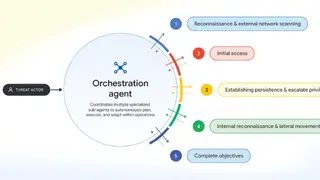
Google Finds Hackers Using AI Agents to Build and Run Exploits From Software Patches
Google on Monday revealed that adversarial use of artificial intelligence (AI) by threat actors has gone beyond manual prompting to deploying autonomous multi-agent offensive frameworks like ARTEX, CAIRN, CyberStrikeAI, and PentAGI to execute multi-stage intrusions at greater…
Why tagged?
- Remediation from the title:
Exploits From Software Patches
- AI Security from the title:
gle Finds Hackers Using AI Agents to Build and Run Exploits From Software Patches
- Remediation from the title:
AI uncovers flaws in discontinued devices with no vendor left to patch them
Forescout researchers built a tool to test if generally available AI models could find security flaws on a limited budget. They examined both open-source code and compiled software whose source code was unavailable, testing an approach attackers could also use. The team…
Why tagged?
- Remediation from the title:
with no vendor left to patch them
- Remediation from the title:
Beyond the Patch: Reconstructing an Incomplete-Fix Patch Bypass in LLM Agent Frameworks with Control-Gated, Benign Probes
Replaying a vulnerability's original proof-of-concept after patching tests whether its reported trigger remains reproducible, but does not establish that the underlying security invariant holds on other code paths. We present a benign, control-gated reconstruction method and a…
Why tagged?
- Remediation from the title:
Beyond the Patch: Reconstructing an Inco
- Remediation from the title:
Updating our coordinated vulnerability disclosure policy timelines
We’re shortening our vulnerability disclosure window from 90 days to 30 days for high- and critical-severity issues, and to 45 days for all other issues.
Why tagged?
- Remediation from the title:
pdating our coordinated vulnerability disclosure policy timelines
- Remediation from the title:
datasette 0.65.6
Release: datasette 0.65.6 I backported a minor security fix from 1.0a43: Fixed a security issue where a database registered using add_database(db, name=..., route=...) with a route that differs from its name could be downloaded from /<route>.db by actors who were denied access…
Why tagged?
- Remediation from the excerpt:
ase: datasette 0.65.6 I backported a minor security fix
- Remediation from the excerpt:
PostgreSQL Patches 52 Flaws, Including 22-Year-Old Bug Enabling Authenticated RCE
A type confusion flaw in PostgreSQL lets a database user who can create objects run code on the server. Updates released yesterday fix it, along with 51 other security flaws. Full protection from this flaw also requires rebuilding any C-language extensions installed on the…
Why tagged?
- Remediation from the title:
PostgreSQL Patches 52 Flaws, Including 22-
- Remediation from the title:
OpenAI’s Daybreak brings AI agents to security testing and vulnerability fixes
OpenAI is bringing AI agents into more of the software security process with Daybreak, pairing web application penetration testing with tools that investigate vulnerabilities and develop fixes. The two offerings, Red Team and Defense Factory, connect the work of finding…
Why tagged?
- DAST from the excerpt:
pairing web application penetration testing with tools that inve
- Remediation from the excerpt:
ecurity weaknesses with patching and retesting them. Red
- DAST from the excerpt:
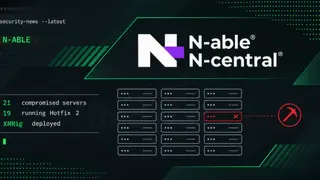
Hackers Exploit N-central Flaws to Infect 21 Servers, Including 19 Running Hotfix 2
N-able on Thursday said it's taking additional precautions in the wake of public disclosure of a new set of flaws tracked as 4EverAble2Shell and Agent2Shell. "We are restricting certain N-central features and integrations," the company said in a Thursday update. "These measures…
Why tagged?
- Remediation from the title:
s, Including 19 Running Hotfix 2
- Remediation from the title:
How to Benchmark AI Code Security Review Tools
Benchmark AI code security review tools before you buy. Seed 8 flaw categories with decoys, run PRs on your own stack, and score evidence, triage, and fixes.
Why tagged?
- Remediation from the excerpt:
ck, and score evidence, triage, and fixes.
- Remediation from the excerpt:
The Security Backlog Can’t Keep Up with AI-Speed Development
Checkmarx and OpenAI are bringing application security findings into OpenAI Daybreak Defense Factory, connecting trusted vulnerability detection with AI-powered investigation and remediation. AI is fundamentally changing how software gets built. Developers can generate, modify…
Why tagged?
- Remediation from the excerpt:
rability detection with AI-powered investigation and remediation. AI is fundamentally
- Remediation from the excerpt:
Endor Labs + OpenAI: Strengthening the Defense Factory With Accelerated Remediation
Endor Labs integrates with the OpenAI Daybreak Defense Factory. Together, Endor Labs and OpenAI help defenders use AI to find, triage, and fix vulnerabilities inside the Daybreak Defense Factory.
Why tagged?
- Remediation from the excerpt:
fenders use AI to find, triage, and fix vulnerabilitie
- Remediation from the excerpt:
Citrix Patches 12 NetScaler and Secure Access Client Flaws, Including Authentication Bypass
Citrix has released patches for multiple critical security flaws impacting NetScaler ADC, Citrix NetScaler Gateway, and NetScaler Console that could lead to denial-of-service (DoS) or an authentication bypass. The critical vulnerabilities that impact NetScaler ADC and NetScaler…
Why tagged?
- Remediation from the title:
Citrix Patches 12 NetScaler and Secure
- Remediation from the title:
Cyberattacks Are Skyrocketing in Japan as Researchers Trace AI-Assisted Intrusions
Japan faces a record surge in cyberattacks as researchers uncover AI-assisted intrusions, widespread data breaches, and growing pressure to patch vulnerabilities.
Why tagged?
- Remediation from the excerpt:
and growing pressure to patch vulnerabilities.
- Remediation from the excerpt:
AI SAST vs traditional SAST: what changes when static analysis can reason
AI SAST vs traditional SAST, compared: how reasoning changes detection of authorization flaws, false positives, triage, fixes, speed, and cost
Why tagged?
- SAST from the title:
AI SAST vs traditional SAST: wh
- Remediation from the excerpt:
flaws, false positives, triage, fixes, speed, and cost
- SAST from the title:
SCKit Malware Turns ScreenConnect Support Sessions Into Potential MSP Attack Paths
The ongoing campaign targeting ConnectWise ScreenConnect deployments involves the exploitation of a now-patched critical security flaw in the remote access software, and not a new vulnerability, it has emerged. Blackpoint Cyber's Adversary Pursuit Group (APG), which shared the…
Why tagged?
- Remediation from the excerpt:
e exploitation of a now-patched critical security flaw
- Remediation from the excerpt:
Google Cloud Warns Three AMD Turin CPU Flaws Could Leak Data Across Processes in VMs
Google Cloud VMs on AMD Turin chips need a guest OS patch and a stop-and-start to protect against three CPU side-channel flaws, Google said this week. The company has already applied mitigations against attacks between VMs, and between VMs and the host. Inside a VM, the flaws…
Why tagged?
- Remediation from the excerpt:
n chips need a guest OS patch and a stop-and-start to
- Remediation from the excerpt:
Siemens Desigo, Gridscale
View CSAF Summary On October 21, 2026, the Node.js project released security updates addressing a critical vulnerability in the Brotli decoder bundled with Node.js, commonly referred to as "Node2Shell" (tracked as CVE-2026-111497). The vulnerability is an out-of-bounds write…
Why tagged?
- Remediation from the excerpt:
ode.js project released security updates addressing a critical v
- Remediation from the excerpt:
New N-central Exploits Work Against Patched Servers, Enable Root RCE and Windows SYSTEM Access
N-able on Thursday said it's investigating a new public disclosure containing claims of additional vulnerabilities in on-premise versions of N-central running version 2026.4.1 HF2. "Based on our initial review, the server issue described depends on a non-default configuration…
Why tagged?
- Remediation from the title:
l Exploits Work Against Patched Servers, Enable Root RC
- Remediation from the title:
PTC Patches Critical Windchill and FlexPLM Flaw That Could Enable Remote Code Execution
PTC has released patches for a new critical vulnerability impacting Windchill and FlexPLM software that, if successfully exploited, could result in remote code execution. The security flaw, tracked as CVE-2026-126325, carries a CVSS v4 score of 9.2 out of a maximum of 10.0. It…
Why tagged?
- Remediation from the title:
PTC Patches Critical Windchill and
- Remediation from the title:
CrossPloit: A Benchmark for Cross-Version PoC Migration in Python Web Applications
Affected-version ranges in vulnerability databases decide which deployments scanners, patching pipelines, and incident responders treat as vulnerable, yet these ranges are often incomplete, so vulnerable releases are silently treated as safe. Auditing them requires executable…
Why tagged?
- Remediation from the excerpt:
h deployments scanners, patching pipelines, and incident
- Remediation from the excerpt:
Node.js Fixes 16 Flaws, Including HTTP/2 Bugs That Crash Servers and Leak Other Connections' Data
A flaw fixed in Node.js this week lets unauthenticated clients crash servers that use the runtime's built-in HTTP/2 support on the 24.x and 26.x release lines. A second HTTP/2 flaw can cause a server to send a client pieces of its memory, including responses intended for other…
Why tagged?
- Remediation from the excerpt:
A flaw fixed in Node.js this week lets
- Remediation from the excerpt:
Critical Apache HTTP/2 Flaw Could Let Unauthenticated Attackers Execute Code Remotely
A critical flaw in Apache HTTP Server's HTTP/2 module, mod_http2, can let a remote attacker run code on the server. Tracked as CVE-2026-119618, it affects versions 2.4.55 through 2.4.70 and is fixed in version 2.4.71, released yesterday. Only servers with HTTP/2 enabled are…
Why tagged?
- Remediation from the excerpt:
5 through 2.4.70 and is fixed in version 2.4.71, release
- Remediation from the excerpt:
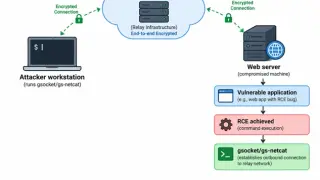
The global socket: how threat actors are weaponizing GSocket for stealthy C2
Threat actors are deploying GSocket on compromised Linux servers to keep encrypted remote access after the original vulnerability is patched. Learn how to detect, investigate, and remediate this activity.
Why tagged?
- Remediation from the excerpt:
iginal vulnerability is patched. Learn how to detect, i
- Remediation from the excerpt:
llm 0.37.2
Release: llm 0.37.2 Fixes a security issue reported by Daniel de Araujo in GHSA-v9h7-jj4g-f862 and GHSA-r639-rr7r-x72w . LLM has a mechanism called extra-openai-models.yaml - now managed by the new-in-0.37 llm openai endpoint add command - for using LLM with OpenAI-compatible…
Why tagged?
- Remediation from the excerpt:
Release: llm 0.37.2 Fixes a security issue reported by Danie
- Remediation from the excerpt:
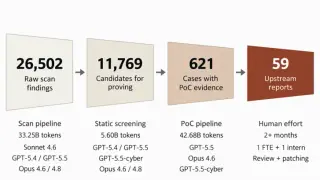
Lessons from 59 Linux Kernel Bug Reports
Microsoft FORGE Lab researchers used codename MDASH to investigate Linux kernel vulnerabilities, resulting in 59 upstream bug reports, 33 assigned CVEs, and 38 merged fixes. The research includes eight demonstrated local root privilege-escalation exploits and examines the…
Why tagged?
- Remediation from the excerpt:
, upstream reports, and patches took months of expert i
- Remediation from the excerpt:
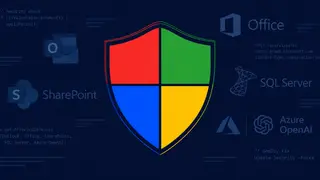
Microsoft Patches 1,259 Flaws, Including Exploited Outlook Bug That May Expose NTLMv2 Hashes
Microsoft on Tuesday released patches for a total of 1,259 vulnerabilities spanning its software portfolio, the second consecutive month where the patch volume has exceeded 1,000 flaws. These cover 726 flaws in Windows, 174 in Office, 61 in Developer Tools, 59 in SQL Server, 53…
Why tagged?
- Remediation from the title:
Microsoft Patches 1,259 Flaws, Including
- Remediation from the title:
Cisco BroadWorks and Openwave Flaws Actively Exploited Despite Available Patches
The U.S. Cybersecurity and Infrastructure Security Agency (CISA) Tuesday added two security flaws impacting Cisco BroadWorks and Openwave Messaging Webtop Media Transcoder to its Known Exploited Vulnerabilities (KEV) catalog, citing evidence of active exploitation. Details of…
Why tagged?
- Remediation from the title:
oited Despite Available Patches
- Remediation from the title:
CVE-2026-118383: Use-after-free vulnerability in MongoDB
We reproduced CVE-2026-118383, a critical use-after-free in MongoDB Server's primary catch-up process that unauthenticated clients can set up, and explain how to detect and remediate it.
Why tagged?
- Remediation from the excerpt:
nts can set up, and explain how to detect and remediate it.
- Remediation from the excerpt:
November Patch Tuesday: An Overflowing Cornucopia of CVEs
Microsoft serves up an actively exploited Outlook zero-day, and a wave of critical Exchange, SharePoint, Windows Search, and LDAP bugs that exhausted defenders need to prioritize fast.
Why tagged?
- Remediation from the title:
November Patch Tuesday: An Overflowing
- Remediation from the title:
Microsoft Fixes Nearly 1,100 Security Vulnerabilities
Microsoft did another four-digit patch drop today, releasing updates to fix almost 1,100 security vulnerabilities in its Windows operating systems and supported software. This month's Patch Tuesday addresses 63 critical flaws -- including a zero-day in Microsoft Outlook -- and…
Why tagged?
- Remediation from the excerpt:
did another four-digit patch drop today, releasing u
- Remediation from the excerpt:
Microsoft Patch Tuesday for November 2026 — Snort rules and prominent vulnerabilities
Microsoft has released its monthly security update for November 2026, which includes 1328 vulnerabilities affecting a range of products, including 60 that Microsoft marked as "critical." Out of 60 "critical" vulnerabilities, 45 are remote code execution (RCE) vulnerabilities.
Why tagged?
- Remediation from the title:
Microsoft Patch Tuesday for November 20
- Remediation from the title:
Git Patches Flaw That Lets Malicious Repositories Execute Code During Recursive Clones
A flaw in Git can let a malicious repository run an attacker's code on a computer that clones it recursively, together with its submodules. The Git project fixed it this week in Git 2.56.1, with matching fixes for the 2.50 through 2.55 series in 2.50.2, 2.51.3, 2.52.1, 2.53.1,…
Why tagged?
- Remediation from the title:
Git Patches Flaw That Lets Maliciou
- Remediation from the title:
Git security vulnerabilities announced
Git is releasing updates addressing six security vulnerabilities affecting recursive clones, reference handling, merges, binary patches, and imports. Here is what users need to know.
Why tagged?
- Remediation from the excerpt:
andling, merges, binary patches, and imports. Here is w
- Remediation from the excerpt:
N-able takes its remote access service offline after researcher publishes dozens of zero-day bugs
The remote access giant also urged its self-hosted customers to take down their own servers amid a "critical security incident," fearing the possibility of cyberattacks.
Cogent and OpenAI build cyber defense factories for enterprises
Cogent combines OpenAI models with enterprise context to help automatically remediate vulnerabilities with agents.
Why tagged?
- Remediation from the excerpt:
erprise context to help automatically remediate vulnerabilities with a
- Remediation from the excerpt:
Microsoft Fixes RCE Bug in Windows Paint After Weeks of Confusion
Last month, Microsoft disclosed a vulnerability in Microsoft Paint, but messaging regarding a patch was unclear.
Why tagged?
- Remediation from the excerpt:
t messaging regarding a patch was unclear.
- Remediation from the excerpt:
CyberBinGym: Can AI Agents Turn Binary Patches into Real Exploits?
Security fixes usually reach users as compiled updates, but deployment delays leave unpatched systems exposed. During this window, comparing patched and unpatched binaries can reveal how to exploit a vulnerability, turning a defensive update into actionable information for…
Why tagged?
- SAST from the excerpt:
ation, and must combine static and dynamic analysis to recover and exploit
- Remediation from the title:
n AI Agents Turn Binary Patches into Real Exploits?
- AI Security from the title:
CyberBinGym: Can AI Agents Turn Binary Patches into Real Exploits?
- SAST from the excerpt:
Free Certified Patch for Critical Rails Active Storage Vulnerability
Socket has released a free Certified Patch for a critical Rails Active Storage vulnerability, giving developers time to upgrade to a secure Rails version.
Why tagged?
- SCA from the excerpt:
lnerability, tracked as GHSA-f3w6-w445-fwh9 (CVSS 9.8
- Remediation from the title:
Free Certified Patch for Critical Rails Acti
- SCA from the excerpt:
CVE-2026-109518: apt Flaw Lets Attackers Swap Packages After Verification and Run Code as Root
Understand CVE-2026-109518, patch vulnerable APT clients, and use Harden-Runner to find HTTP package downloads and investigate CI/CD activity.
Why tagged?
- Remediation from the excerpt:
rstand CVE-2026-109518, patch vulnerable APT clients,
- Remediation from the excerpt:
A Gingerbread House for LLM Agents: Source-Planned Honeypots That Lure Autonomous Attackers into an Isolated Shadow
LLM agents can exploit web vulnerabilities fast enough that patching may come too late. Deception against such agents has mostly lured them away from a real target that stays reachable. We study a different arrangement: an LLM defender plans a static honeypot from the…
Why tagged?
- Remediation from the excerpt:
lities fast enough that patching may come too late. Dece
- Remediation from the excerpt:
Hackers exploited iOS and Android flaws to infect phones
Researchers say group may have been Kremlin-sponsored in search of diplomatic targets.
Why tagged?
- Remediation from the excerpt:
in exploited previously patched iOS and Android flaws i
- Remediation from the excerpt:
A thousand fewer paths to root
OpenAI built an autonomous pipeline that found, validated, and generated patches for 948 local privilege-escalation vulnerabilities in the Linux kernel.
Why tagged?
- Remediation from the excerpt:
alidated, and generated patches for 948 local privilege
- Remediation from the excerpt:
The PHP Security Wake-Up Call: Fixes Are Only the Beginning
By Jeff Borek and Mike Linksvayer Recent PHP vulnerabilities highlight why open source security requires sustained investment and action from everyone who builds on it. PHP, an open source programming language, powers roughly 70% of websites whose server-side language is known.…
Why tagged?
- Remediation from the excerpt:
6, the project released security updates for two critical vulner
- Remediation from the excerpt:
UEFI bootkit infected fully patched Windows machines. Is Microsoft to blame?
UEFI bootkit BlackX exploits Microsoft's lack of clarity around Secure Boot protections.
Why tagged?
- Remediation from the title:
bootkit infected fully patched Windows machines. Is Mi
- Remediation from the title:
Stop Chasing CVEs: Start Governing Software Dependencies
A new vulnerability disclosure can set off a familiar chain of work. You check whether or not an application uses the affected component, determine whether the vulnerable code is reachable, find a fixed version, test the upgrade, and get it into production. Then the next…
Why tagged?
- SCA from the title:
tart Governing Software Dependencies
- Remediation from the excerpt:
de is reachable, find a fixed version, test the upgrade, and
- Trust from the title:
top Chasing CVEs: Start Governing Software Dependencies
- SCA from the title:
Backporting security fixes at scale with Codex
Stable Linux releases lack existing security fixes because backporting them is time-consuming and often thankless work. We’re using Codex to reduce the backporting process time from days to hours per fix, empowering human patch reviewers to rapidly submit fixes for critical…
Why tagged?
- Agentic SDLC from the title:
ity fixes at scale with Codex
- Remediation from the title:
Backporting security fixes at sc
- Agentic SDLC from the title:
4 real? Tracking exploitation and patching of eMudhra’s weak keys
Four, just four: that’s the key to break into any unpatched connection on the Internet that is using eMudhra certificates. Here’s how we quickly patched Cloudflare, what evidence we can see of attempted exploitation, and how much of the rest of the Internet remains exposed.
Why tagged?
- Remediation from the title:
acking exploitation and patching of eMudhra’s weak keys
- Remediation from the title:
AI can turn public security fixes into working exploits before users receive an update
In our experiments, GLM 5.3 reliably turned published security patches into working exploits before fixes reached users
Why tagged?
- Remediation from the excerpt:
rned published security patches into working exploits b
- Remediation from the excerpt:
ExploreRepair: Evidence-Specialized Agents for Vulnerability Repair under Information Constraints
Automated vulnerability repair must often operate with incomplete vulnerability information: developers may lack an accurate vulnerability classification or a provided proof-of-vulnerability (PoV) test, yet still need to produce a repair. Without detailed information, a key…
Why tagged?
- Agentic SDLC from the title:
r: Evidence-Specialized Agents for Vulnerability Repair under Information Const
- Remediation from the title:
-Specialized Agents for Vulnerability Repair under Information Const
- Agentic SDLC from the title:
What the PHP Patch Scramble Reveals About Remediation
When Nick Woodhead spoke with Business Insider on October 23, he had been awake for nearly 48 hours responding to critical PHP vulnerabilities. The CTO of Rothco and Compubox was helping his teams update systems, review logs for signs of compromise, and protect older…
Why tagged?
- Remediation from the title:
What the PHP Patch Scramble Reveals About
- Remediation from the title:
MetaVul: Agentic Harness Discovery for Vulnerability Detection
LLM agents are increasingly used to automate vulnerability detection, but reliable detection is challenging because agents must distinguish subtle, security-relevant fixes from benign code variation. While underlying LLM capability has improved significantly, the accuracy of…
Why tagged?
- Remediation from the excerpt:
m paired vulnerable and patched functions, while preser
- Remediation from the excerpt:
Rebuild the planet
Patching can't keep pace with AI-discovered vulnerabilities. See how Chainguard plans to eliminate entire classes of security bugs by design.
Why tagged?
- Remediation from the excerpt:
Patching can't keep pace with AI
- Remediation from the excerpt:
DeepDiff: Neuro-Dynamic Regression-Freedom Checking for Security Patch Validation
Automatically validating AI-generated security patches remains a significant challenge. Eliminating a reported crash and passing existing test suites do not provide sufficient confidence that a patch correctly addresses the underlying vulnerability without introducing…
Why tagged?
- Remediation from the title:
m Checking for Security Patch Validation
- Remediation from the title:
Prioritize Dependabot alerts with reachability analysis
Dependabot alerts can add up faster than a team can work through them. A vulnerable package in your dependency tree doesn’t always mean your code uses the vulnerable part of…
Why tagged?
- SCA from the excerpt:
nerable package in your dependency tree doesn’t always mea
- Remediation from the excerpt:
of your application to prioritize and remediate dependency vulnerabili
- SCA from the excerpt:
Tracekit Box: Running AI Agents in Micro-VMs Where Every Way Out Is Decided and Signed
AI agents now install packages, call model APIs with their operators' keys and change code in repositories that deploy to production. The network, credentials and write access they need are also how they can leak data, steal a key or change a system nobody approved. Sandboxes…
Why tagged?
- Remediation from the excerpt:
calls and the workspace patch. At every door a Tracek
- Remediation from the excerpt:
PHP2Shell Won't Be the Last. Here's Where the Next One Will Show Up First.
PHP2Shell showed how quickly an engine-level flaw can put internet-facing applications at risk. Learn why outside-in inventory, rapid testing, and repeat checks matter before the next disclosure.
Snyk UNFILTERED: Inside Our First-Ever Customer Summit
At Snyk’s first customer summit, security leaders shared candid perspectives on AI risk, vulnerability remediation, and governing autonomous agents. Five themes reveal how teams are adapting security for AI speed.
Why tagged?
- Remediation from the excerpt:
candid perspectives on AI risk, vulnerability remediation, and governing auton
- Trust from the excerpt:
bility remediation, and governing autonomous agents. Five themes reveal how
- Remediation from the excerpt:
CVE-2026-111497: Google Brotli Unchecked Return Value Vulnerability added to CISA's Known Exploited Vulnerabilities catalog
Google Brotli contains an unchecked return value vulnerability that allows a remote unauthenticated attacker to corrupt adjacent decoder state memory, disclose sensitive memory contents, cause a denial of service, or potentially execute arbitrary code using a crafted Brotli-compr
How to patch PHP2Shell with free Aikido Images
Patch PHP2Shell (CVE-2026-109618 and CVE-2026-109619) with free Aikido Images for PHP 5.5 to 8.5. Stay on your current version with backported fixes. Category: Product Updates
Why tagged?
- Remediation from the title:
How to patch PHP2Shell with free Aik
- Remediation from the title:
Cross-request KV cache exposure in the GLM-5.3 Workers AI model, and our remediation with SGLang
A configuration mismatch in GLM 5.3 on Workers AI triggered an SGLang bug that exposed KV cache pages across requests. Here is how we addressed the issue.
Why tagged?
- Remediation from the title:
in the GLM-5.3 Workers AI model, and our remediation with SGLang
- Remediation from the title:
VU#128947: COVESA vsomeip excessive memory allocation in reliable (TCP) endpoint buffer handling
Overview vsomeip, COVESA's open source implementation of the SOME/IP automotive communication middleware, contained a memory allocation vulnerability present in versions 3.7.3 and below. A vsomeip reliable (TCP) SOME/IP endpoint grows its receive buffer to an attacker-declared…
Why tagged?
- Remediation from the excerpt:
vsomeip issue #1009 and fixed in release 3.7.4 (2026-07-
- Remediation from the excerpt:
How Absorption Rate Reveals Vulnerability Management Health
AI is accelerating vulnerability discovery, but it is not equally accelerating every part of vulnerability management. Findings and vendor fixes can now arrive at machine speed. Testing, deployment, and verification still depend on the infrastructure of a slower era. So, are…
Why tagged?
- Remediation from the title:
Absorption Rate Reveals Vulnerability Management Health
- Remediation from the title:
Repairing Broken Access Control in Web Applications with LLMs: An Empirical Benchmark Study
Broken access control (BAC) ranks among the most severe web-application vulnerability classes, yet its automated repair remains largely unexplored. Unlike memory-safety vulnerabilities, BAC is a logic vulnerability whose repair demands a deep understanding of an application's…
Why tagged?
- Remediation from the excerpt:
t characterizes any BAC patch along four dimensions,
- Remediation from the excerpt:
Securing Agent-Generated Code with Its Own Development History
Pull requests written by coding agents can pass a project's test suite while omitting a guard or a validation step. To find the missing condition, a reviewer currently relies on static analysis of the final code. An agent-generated change, however, is accompanied by a…
Why tagged?
- SAST from the excerpt:
wer currently relies on static analysis of the final code. An a
- Agentic SDLC from the excerpt:
ull requests written by coding agents can pass a project's te
- Remediation from the excerpt:
cope for 94.6% of agent patches, compa
- SAST from the excerpt:
Trusting the Tool: Asymmetric Deference of LLM Vulnerability Auditors to Static-Analysis Evidence
Pipelines that combine large language models (LLMs) with static analysis let the model consume the analyser's output as evidence, but whether the model distinguishes true from false evidence, and whether its scrutiny depends on what the evidence claims, has not been measured.…
Why tagged?
- SAST from the title:
lnerability Auditors to Static-Analysis Evidence
- Remediation from the excerpt:
audited vulnerable and patched functions from PrimeVul
- SAST from the title:
DeepAVR: Deep Analysis via Multi-Agent Collaboration for Automated Vulnerability Repair
Automated Vulnerability Repair (AVR) has emerged as a critical defense against software security flaws, aiming to triage and fix bugs autonomously. Early LLM-based approaches focused on patch generation under the assumption of perfect fault localization, while recent end-to-end…
Why tagged?
- Agentic SDLC from the title:
Deep Analysis via Multi-Agent Collaboration for Automated Vulnerability Repair
- Remediation from the title:
aboration for Automated Vulnerability Repair
- Agentic SDLC from the title:
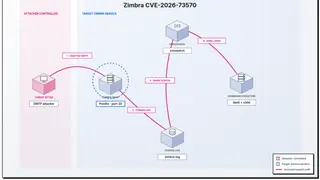
How CVE-2026-73570 turns a Zimbra log file into remote code execution
We reproduced the Zimbra command injection vulnerability and found that several public PoCs write a payload Swatchdog never matches, so a failed test looks like a patched server.
Why tagged?
- Remediation from the excerpt:
ailed test looks like a patched server.
- Remediation from the excerpt:
Turn Your Vulnerability Backlog Into Pull Requests With Agentic Remediation
The Evo Remediation Agent is now in Open Preview, bringing automated dependency resolution to Evo Agentic AppSec. AppSec teams can now run ongoing remediation
Why tagged?
- Remediation from the title:
Into Pull Requests With Agentic Remediation
- Remediation from the title:
Today's PHP Security Release, and How We're Strengthening PHP Security
Today's PHP Security Release, and How We're Strengthening PHP Security If you're running anything on PHP it's vital you upgrade - today's updates (across the entire PHP 8.x line) address two remote code execution holes, and there have been exploits circulating since last night,…
Why tagged?
- Remediation from the title:
Today's PHP Security Release, and How We're Strength
- Remediation from the title:
Widespread PHP Flaw May Cause Many Site Outages Today
Expect to see quite a few websites serving "404" or "Page Not Found" errors today: Nearly 70 percent of websites need to update their core software to fix a pair of vulnerabilities that allow an attacker to seize full control over affected servers. Experts say there are working…
Why tagged?
- Remediation from the excerpt:
P released an emergency security update to fix two critical bug
- Remediation from the excerpt:
Your AI agent fixed the bug, but what else did it change?
Today we’re publishing patching-bugs and regression-hunt , two plugins that let engineers delegate patch development and regression checks to agents. Our patching-bugs plugin reproduces reported bugs, develops fixes, and tests them. The regression-hunt plugin checks whether any…
Why tagged?
- Agentic SDLC from the excerpt:
sands of our engineers’ Codex sessions. The plugins p
- Remediation from the excerpt:
Today we’re publishing patching-bugs and regression-hun
- Agentic SDLC from the excerpt:
8 eMudhra certificates are compromised. Here's what you need to know
Following the discovery that eight eMudhra intermediate certificates use weak keys, Cloudflare is deploying mitigations and releasing client updates. We explain the impact, our response, and what customers and developers should do next.
Why tagged?
- Remediation from the excerpt:
immediately prioritized patching critical services acros
- Remediation from the excerpt:
There's only so much code: the rise in vulnerability numbers
The September Microsoft Patch Tuesday release included 975 vulnerability advisories. This month, 1,415 vulnerabilities were just dropped. Compared to a pre-June average of 100 a month, that increase is staggering. Where did they come from? And what does the future look like?
Why tagged?
- Remediation from the excerpt:
iving monthly Microsoft Patch Tuesday vulnerability a
- Remediation from the excerpt:
Beyond the patch: Protecting your NetScaler gateway against future vulnerabilities
CVE-2026-88771 lets attackers run commands on NetScaler Gateway before anyone signs in. Patching takes time most teams don't have, so the sign-in decision has to move in front of the vulnerable code.
Why tagged?
- Remediation from the title:
Beyond the patch: Protecting your NetSca
- Remediation from the title:
VulnBump: Can AI Agents Fix Vulnerable Dependencies Without Breaking the Build?
VulnBump tests AI agents on 307 real dependency upgrades. A fix counts only if the vulnerability is gone and the build and tests stay green.
Why tagged?
- SCA from the title:
I Agents Fix Vulnerable Dependencies Without Breaking the Bu
- Remediation from the title:
VulnBump: Can AI Agents Fix Vulnerable Dependencies Without
- SCA from the title:
VU#948176: Multiple TLS libraries can bypass delegation enforcement
Overview This note covers thirteen library-specific records (VU#948176.6, .8–.19) of how widely used TLS libraries apply X.509 Name Constraints. The records describe cases where a constrained name may be accepted by one library and rejected by another. Some are fixed, some…
Why tagged?
- Remediation from the excerpt:
n names (CVE-2026-3833, fixed in 3.8.13). Similar discre
- Remediation from the excerpt:
P2Patch: Exploit-Guided Vulnerability Repair
Large language models are increasingly deployed as autonomous agents for automated program repair, patching software vulnerabilities through multi-step reasoning and tool use. Yet these systems typically validate a patch against the same evidence used to construct it -- a…
Why tagged?
- Agentic SDLC from the excerpt:
deployed as autonomous agents for automated program repair, patching software vuln
- Remediation from the title:
P2Patch: Exploit-Guided Vulnerability Repair
- Agentic SDLC from the excerpt:
Microsoft Patches More Than 1,400 Security Flaws
Microsoft today issued updates to fix more than 1,400 security vulnerabilities in its Windows operating systems and other software. Today's epic patch batch dwarfs September's record of nearly 1,000 fixes, which was already about ten times the normal monthly patch load from…
Why tagged?
- Remediation from the title:
Microsoft Patches More Than 1,400 Securit
- Remediation from the title:
Visual Studio Copilot and SSMS Remote Code Execution (CVE-2026-103572)
A . is all you need! Today Microsoft shipped the patch for a vulnerability in Visual Studio Copilot that I reported in August. Microsoft classified it as Important severity Remote Code Execution vulnerability. At the root cause it allows Copilot in Visual Studio or SQL Server…
Why tagged?
- Agentic SDLC from the title:
Visual Studio Copilot and SSMS Remote Code Ex
- Remediation from the excerpt:
y Microsoft shipped the patch for a vulnerability in
- AI Security from the title:
Visual Studio Copilot and SSMS Remote Code Execution (CVE-2026-103572)
- Agentic SDLC from the title:
SolBehave: Evaluating the Behavioural Correctness of LLM-Generated Smart Contracts
Large language models increasingly generate Solidity smart contracts that, once deployed, can never be patched, making a single latent fault permanent and exploitable. Yet current evaluations mostly ask only whether generated code compiles. We introduce SolBehave, a benchmark…
Why tagged?
- DAST from the excerpt:
Differential fuzzing compares each generated
- Remediation from the excerpt:
deployed, can never be patched, making a single latent
- DAST from the excerpt:
X.js: A Live Benchmark for Node.js Taint-Style Vulnerabilities
JavaScript vulnerabilities in npm packages pose a significant risk to the Node$.$js ecosystem, and a growing body of work aims to detect, exploit, and mitigate them. Studying and evaluating this work requires up-to-date collections of real vulnerabilities, yet the most commonly…
Why tagged?
- SCA from the excerpt:
ript vulnerabilities in npm packages pose a signifi
- Remediation from the excerpt:
and, when available, a patched version of the package.
- SCA from the excerpt:
Death By A Thousand PaperCuts (PaperCut Pre-Auth RCE Chain and Patch Bypasses WT-2026-0141-0144/CVE-2026-82077/CVE-2026-82078/CVE-2026-81578)
Before we begin, yes - it's confusing. There are more vulnerabilities with watchTowr IDs in this blog post than there are CVE IDs (assigned by PaperCut), due to PaperCut bundling vulnerabilities and then patch bypasses for those same vulnerabilities into singular CVE IDs.…
Why tagged?
- Remediation from the title:
Pre-Auth RCE Chain and Patch Bypasses WT-2026-0141-0
- Remediation from the title:
EviRepair: Evidence-Driven Agents for Reliable Vulnerability Repair
Recent advances in large language models (LLMs) have enabled agent-based approaches for repository-level automated vulnerability repair (AVR), showing promising repair capabilities. However, an important issue has received limited attention: how can we ensure that the evidence…
Why tagged?
- Agentic SDLC from the title:
Repair: Evidence-Driven Agents for Reliable Vulnerability Repair
- Remediation from the title:
ven Agents for Reliable Vulnerability Repair
- Agentic SDLC from the title:
How to fix a bug in a fix
Project Zero often works with software vendors to remediate the vulnerabilities we report and provide broader guidance on making software more secure. Some vendors express concern about potential scenarios in which they are unable to fix vulnerabilities that are causing…
Why tagged?
- Remediation from the excerpt:
to limitations in their patch delivery systems. Since
- Remediation from the excerpt:
CheckerBench: Can Long-Horizon Agents Synthesize Static-Analysis Checkers?
Static-analysis checker synthesis requires agents to interpret a defect specification, inspect a repository, implement analyzer-specific logic, and refine the checker through repeated compilation and analysis feedback. Existing coding-agent benchmarks focus on tasks such as…
Why tagged?
- SAST from the title:
rizon Agents Synthesize Static-Analysis Checkers?
- Remediation from the excerpt:
focus on tasks such as patch generation or vulnerabi
- SAST from the title:
Where Did the Repair First Go Wrong? Localizing the Origins of Silent Failures in Agentic Vulnerability Repair
Localizing where an LLM-based agent first fails to uphold security during a repair can show which stage of its workflow needs an additional safeguard. This is difficult for silent failures, which are patches that pass syntactic and functional checks but still contain a security…
Why tagged?
- Agentic SDLC from the title:
s of Silent Failures in Agentic Vulnerability Repair
- Remediation from the title:
ent Failures in Agentic Vulnerability Repair
- Agentic SDLC from the title:
VulValidate: Auditing Function-Level Vulnerability Labels with Executable Evidence
Reliable learning-based vulnerability detection requires high-quality labels, yet datasets built from vulnerability-fixing commits may label functions as vulnerable simply because they were changed by a security patch. We present VulValidate, a framework that uses LLM agents to…
Why tagged?
- Remediation from the excerpt:
e changed by a security patch. We present VulValidate
- Remediation from the excerpt:
AI-powered fuzzing with the GitHub Security Lab Taskflow Agent
In this blog post, I explain how to use the new fuzzing taskflow based on the GitHub Security Lab Taskflow Agent AI framework.
Why tagged?
- Remediation from the excerpt:
nobody is reaching, and triage the crashes that come o
- Remediation from the excerpt:
Metrics Failure in LLM-Based Code Vulnerability Repair: An Empirical Study and a Change-Aware Screen
Large language models (LLMs) are increasingly applied to the automated repair of C/C++ security vulnerabilities, and compile rate is a commonly reported proxy for progress: whether the generated patch compiles. We argue that compile rate is a scientifically unreliable metric…
Why tagged?
- Remediation from the title:
ilure in LLM-Based Code Vulnerability Repair: An Empirical Study and
- Remediation from the title:
Windows Exploitation Techniques: Dangling COM Object Registrations
This short blog post is about abusing a privilege escalation bug that Microsoft recently fixed in Windows, CVE-2026-66804, that I and 14 others reported. This issue is an incomplete fix for CVE-2026-50343, a bug dubbed “Dark Elevator” by Calif. The root cause of the bug was a…
Why tagged?
- Remediation from the excerpt:
that Microsoft recently fixed in Windows, CVE-2026-66804
- Remediation from the excerpt:
SoK: From Finding to Deployment: Systematizing the OS Kernel Bug Lifecycle
Automated kernel bug discovery has advanced rapidly. Continuous fuzzing and static analysis systems, such as syzbot, now expose Linux kernel bugs at a scale that downstream processes struggle to absorb. Yet a crash report is only the beginning. Before a bug is eliminated, it…
Why tagged?
- SAST from the excerpt:
Continuous fuzzing and static analysis systems, such as syzbot
- DAST from the excerpt:
Continuous fuzzing and static analysis sys
- Remediation from the excerpt:
be triaged, understood, patched, validated, reviewed, i
- SAST from the excerpt:
SelfOp: An Optimization Algorithm for Self-Improving Security Agents
LLM agents are increasingly used for security tasks: vulnerability discovery, exploit reproduction, and patch generation. Improving them at the model level demands expert demonstrations or computable rewards, which security tasks rarely offer: traces are costly, failures hard…
Why tagged?
- Remediation from the excerpt:
ploit reproduction, and patch generation. Improving t
- Remediation from the excerpt:
Manual triage is where backlogs are born. Checkmarx Triage & Remediation Assist is how they’re cleared.
Where do application security programs lose time and create a backlog? Not in the detection itself, but in the gap between detection and an approved fix. Every finding that reaches your team opens four questions before anyone can act on it: Detection only surfaced the problem.…
Why tagged?
- Remediation from the title:
ogs are born. Checkmarx Triage & Remediation Assist is how they’r
- Remediation from the title:
datasette 1.0a40
Release: datasette 1.0a40 Same security fix as 0.65.5 , plus some neat new features and bug fixes: Plugins can now launch and manage background tasks using the new datasette.add_background_task() method. Thanks, Alex Garcia . I've migrated Datasette to httpx2 for features like…
Why tagged?
- Remediation from the excerpt:
from a recent effort to triage issues for a 1.0 stable
- Remediation from the excerpt:
1Password's AI patching benchmark is misleading
1Password’s FLAWED report , published on August 6, 2026, gives defenders a misleading picture of AI patching. Its headline says models produced clean fixes only 26% of the time. That figure includes experiments that deliberately instructed agents to apply the wrong fix, along…
Why tagged?
- Remediation from the title:
1Password's AI patching benchmark is misleading
- Remediation from the title:
Datasette 1.0a39 and 0.65.4 security releases
Datasette 1.0a39 and 0.65.4 security releases Today we're releasing two new security patch versions of Datasette: 1.0a39 and 0.65.4 - one for the current alpha series and one for the stable 0.65.x family. These are security fixes which you should apply if you are running a…
Why tagged?
- Remediation from the title:
sette 1.0a39 and 0.65.4 security releases
- Remediation from the title:
A “proof” of Fermat’s Last Theorem that fits the margin
Fermat famously claimed to have a “truly marvelous proof” of his Last Theorem , but he never wrote it down, insisting the margin of his page was too narrow to contain it. A few centuries later, Anthropic announced a complete formalization of Fermat’s Last Theorem using 13…
Why tagged?
- Remediation from the excerpt:
n up to 4.33.1, and the patch is incorporated in v4.3
- Remediation from the excerpt:
PatchBench: Evaluating AI Agents for Vulnerability Patching
AI agents have recently demonstrated strong performance in automated vulnerability patching. However, existing evaluations often validate a patch only by testing whether the provided Proof-of-Concept (PoC) input still triggers a crash. This leaves two key threats to validity:…
Why tagged?
- Remediation from the title:
gents for Vulnerability Patching
- AI Security from the title:
PatchBench: Evaluating AI Agents for Vulnerability Patching
- Remediation from the title:
From Silicon to Boot Code: Extending Automated Program Repair to Firmware-Layer Security Workarounds
Automated program repair (APR) research has been constrained to design time. Current techniques localize and fix bugs in RTL or HLS designs before a chip reaches production. Once a hardware vulnerability surfaces post-silicon, the patch must be manually generated: existing…
Why tagged?
- Remediation from the title:
Firmware-Layer Security Workarounds
- Remediation from the title:
Just a rumour of a bug is enough to find a security exploit these days
Just a rumour of a bug is enough to find a security exploit these days Anil Madhavapeddy is a professor of computer science at Cambridge and a core maintainer of the OCaml compiler. In this somewhat alarming post he reports that security issues in OCaml projects are seeing…
Why tagged?
- Agentic SDLC from the excerpt:
ic repositories. Modern coding agents have become so effectiv
- Remediation from the excerpt:
loits within minutes of patches being shared for discus
- Agentic SDLC from the excerpt:
Remediation Agents, Demystified: Why Fixing Beats Finding
See how Snyk’s Remediation Agent uses security intelligence, breakability analysis, and validation to turn vulnerabilities into mergeable pull requests.
Why tagged?
- Remediation from the title:
Remediation Agents, Demystified: Why Fixi
- Remediation from the title:
Benchmarking Secure-and-Functional Remediation and How Snyk Agent Fix Lifts Frontier-Model Fix Rates by over 14%
A benchmark of secure, functional vulnerability fixes across JavaScript, Java, and Python shows Snyk Intelligence helps frontier models break past a 72–75% performance plateau.
Why tagged?
- Remediation from the title:
g Secure-and-Functional Remediation and How Snyk Agent Fix Lifts Frontier-Mode
- Remediation from the title:
A First Look at Evo Agentic AppSec: Agentic Remediation and Malicious Code Defense
Explore Snyk’s first Agentic AppSec capabilities: an autonomous Remediation Agent that fixes vulnerabilities and Malicious Code Defense that blocks risky packages before they ship.
Why tagged?
- SCA from the excerpt:
cious Code Defense that blocks risky packages before they ship.
- Agentic SDLC from the excerpt:
autonomous Remediation Agent that fixes vulnerabilities and Malicious Code D
- Remediation from the title:
A First Look at Evo Agentic AppSec: Agentic Remediation and Malicious Code D
- SCA from the excerpt:
How we use /goal to find bugs in Patch the Planet
Codex’s /goal feature amplifies bug hunting, but getting good results requires the right prompt, the right scope, and the right number of outcomes per run. For Patch the Planet , our joint initiative with OpenAI to find and fix bugs in open-source software, we pointed Codex at…
Why tagged?
- SAST from the excerpt:
roject’s past CVEs into Semgrep rules that had to fire
- Agentic SDLC from the excerpt:
Codex’s /goal feature amplifi
- Remediation from the title:
e /goal to find bugs in Patch the Planet
- SAST from the excerpt:
























































End of list · 143 developments in the last 120 days